Summary
Adds seven diagram rendering tools to Claude, built on the DGMO markup language. You get render_diagram for SVG/PNG export, preview_diagram to open multi-diagram HTML pages in your browser with theme toggles, and generate_report for polished multi-section documents with auto-generated tables of contents. Also includes share_diagram for diagrammo.app URLs, open_in_app for the desktop client, and reference lookups for syntax and chart types. Supports sequence, flowchart, ER, C4, gantt, and other diagram types. Runs via npx in Claude Desktop or Claude Code, no separate install required. Useful when you're iterating on architecture diagrams or documentation visuals and want immediate browser feedback without leaving the conversation.


Keep your Mac awake while Claude Code and 40+ AI agents run. Sleeps when they're idle.
One time payment $9 →

Integrate web data into your AI product. One API to scrape website & brand data.
Get API Key Now →
Agent, run crypto. Access onchain data & trade routes via 1inch.
Install now →
On Capafy, your Skill runs online 24/7 as an agent product, and you get paid every time someone uses it.
Start earning →
@diagrammo/dgmo-mcp
Turn a conversation into a real diagram — without leaving your AI tool.



This MCP server gives Claude (and any MCP-compatible AI tool) the ability to render sequence diagrams, flowcharts, ER diagrams, C4 architecture, gantt charts, and 35+ other chart types from concise text markup — then hand the result off to a full editor for refinement. Ask for a diagram in chat; get a real one back.
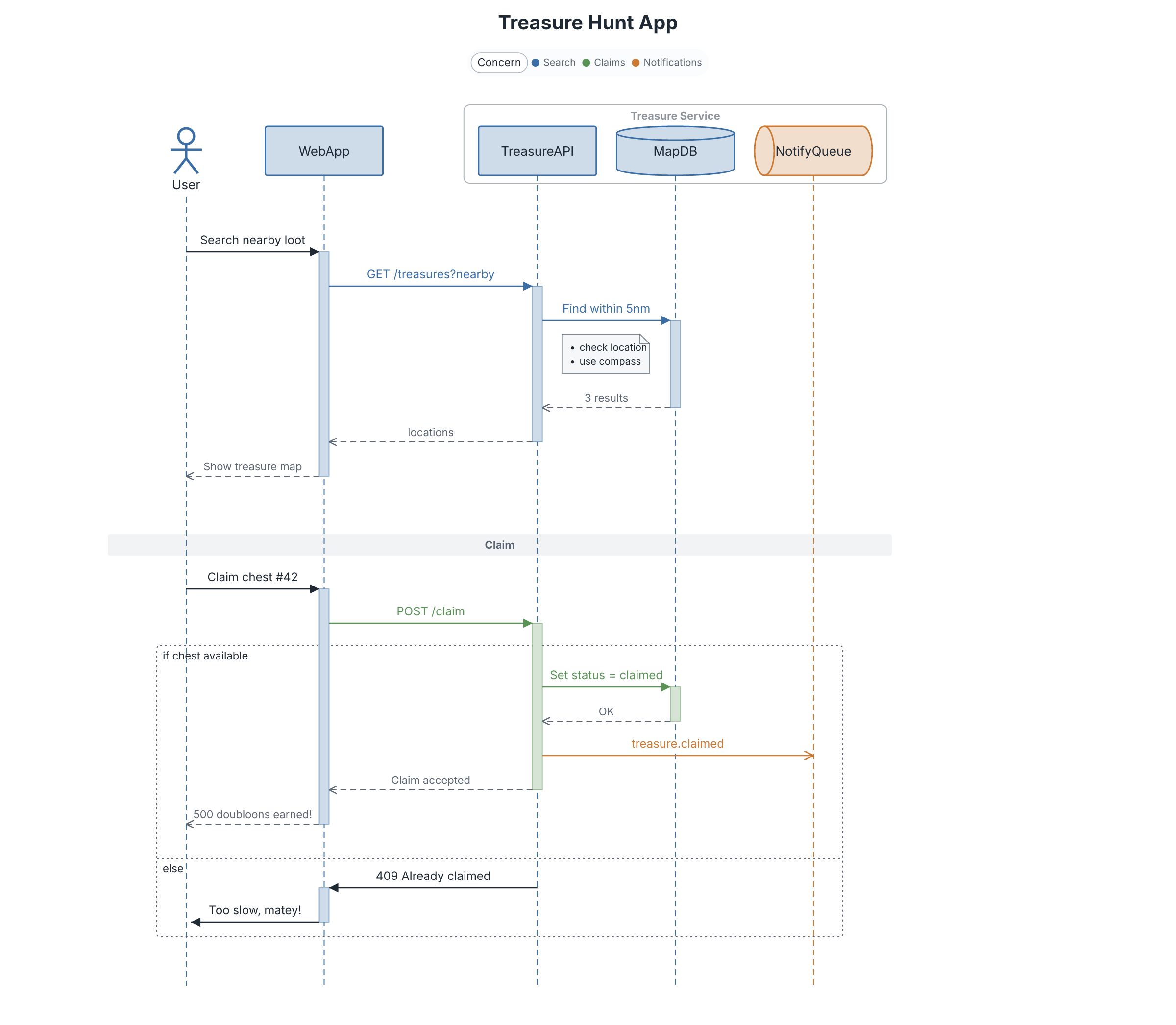 |
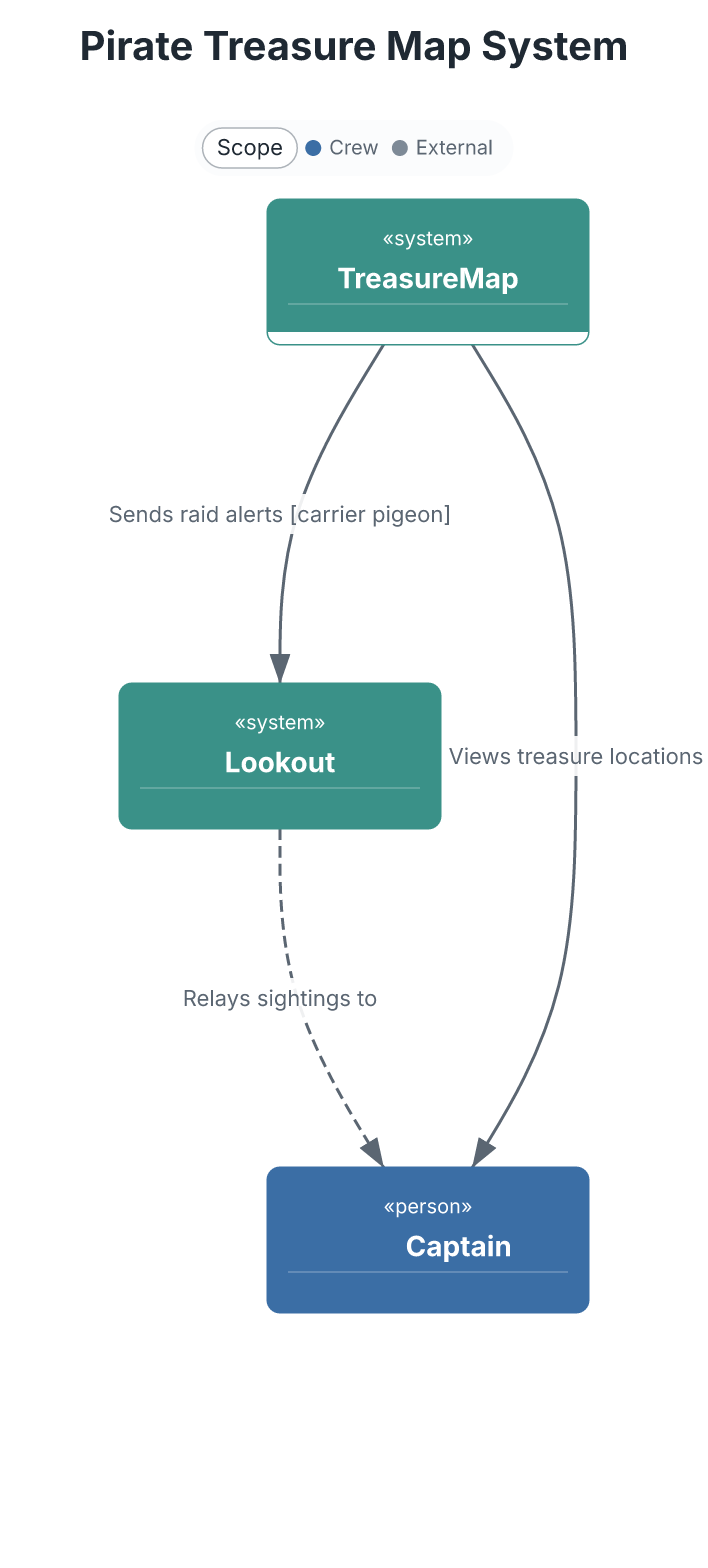 |
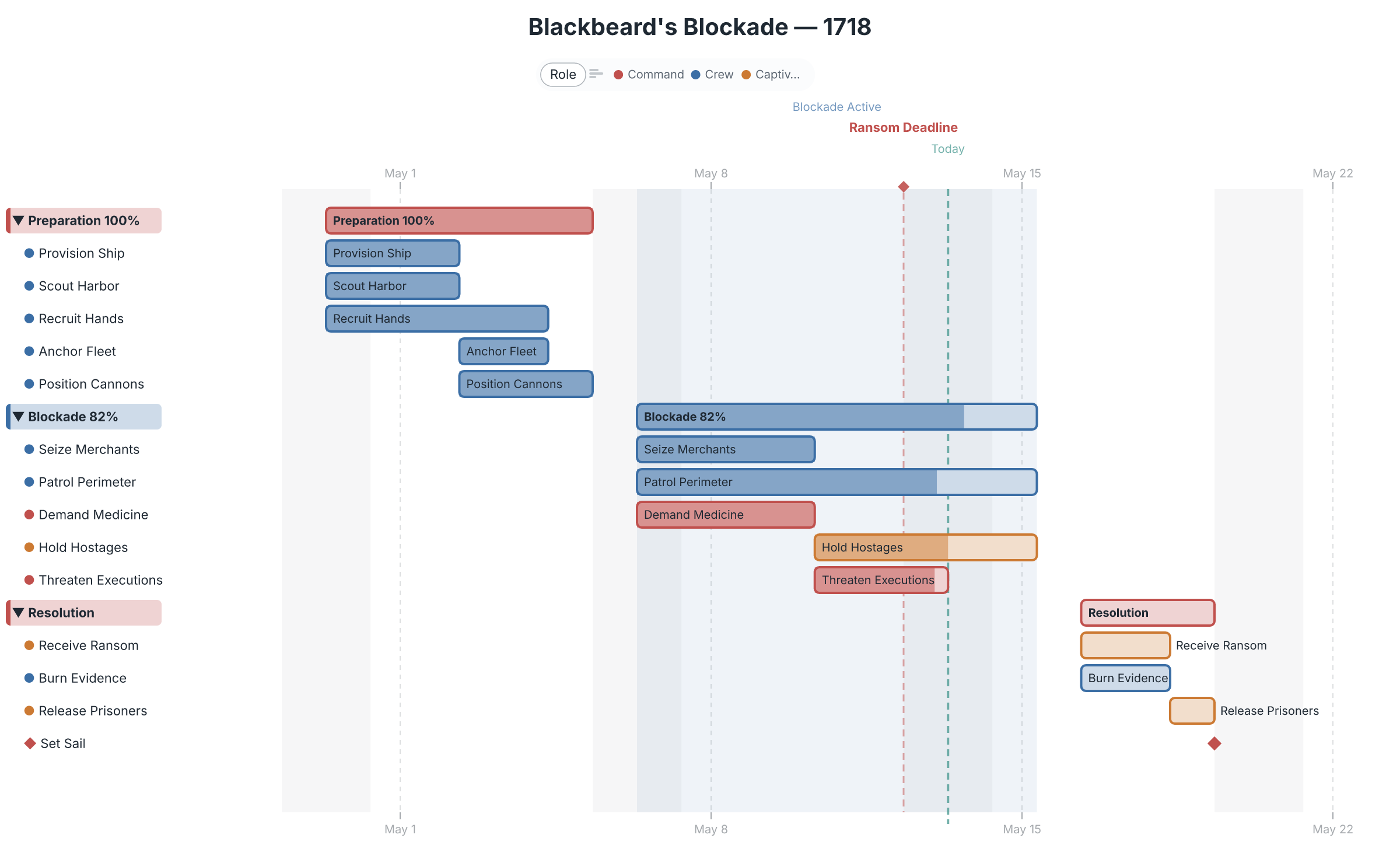 |
 |
What you can do
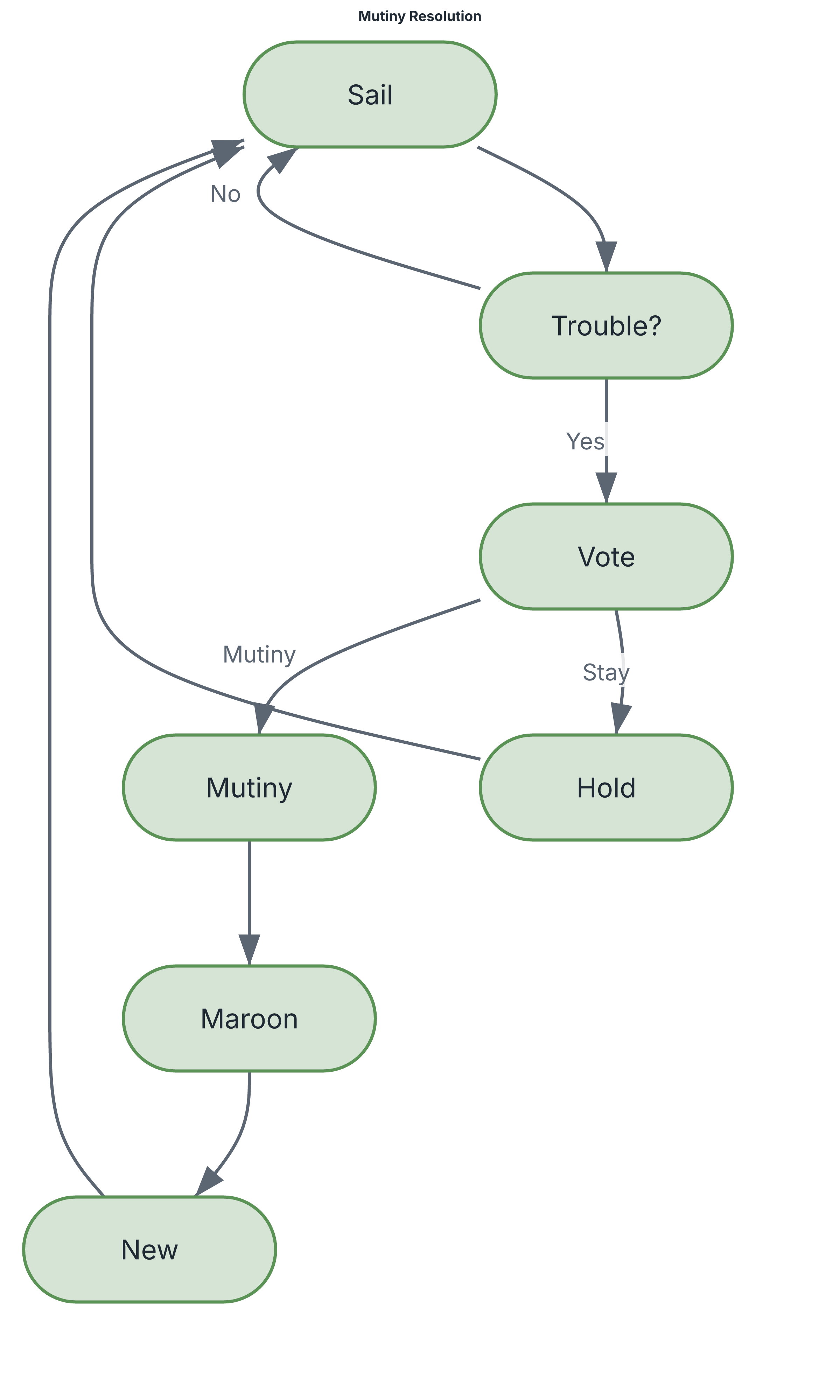
Ask in plain language — "diagram the auth flow as a sequence", "chart the Q3 plan as a gantt", "draw our services as a C4 diagram" — and Claude writes the markup and renders it. The markup stays readable and diffable:
flowchart Mutiny Resolution
direction-tb

[Sail]     Set sail under the captain
{Trouble?} Discontent in the crew?
{Vote}     Crew vote called
[Mutiny]   Seize the ship

(Sail) -> (Trouble?)
(Trouble?) -Yes-> (Vote)
(Vote) -Mutiny-> (Mutiny)
→ renders to the flowchart above. All rendering happens locally — no diagram data leaves your machine.
Tools
| Tool | What it does |
|---|---|
render_diagram | Render DGMO markup to SVG or PNG |
preview_diagram | Render one or more diagrams and open an HTML preview in the browser |
generate_report | Build a polished multi-section HTML report with ToC and optional source |
list_chart_types | List all supported chart types |
get_language_reference | Get DGMO syntax documentation for accurate generation |
share_diagram | Get a shareable diagrammo.app URL — hand your diagram to the web editor |
open_in_app | Open the diagram straight into the Diagrammo desktop app for editing |
The last two are the bridge out of chat: a diagram Claude generates becomes something you can refine, restyle, and embed — see below.
Beyond the MCP server
The MCP server is one entry point into Diagrammo — a whole ecosystem built on the same DGMO markup. Generate in chat, refine in a real editor, embed anywhere:
- diagrammo.app — the desktop app.
open_in_appdrops an AI-generated diagram straight into it, with live preview, palettes, and export. - online.diagrammo.app — a full editor in the
browser, zero install.
share_diagramURLs open right here. - Docs integrations — drop DGMO fenced code blocks into your docs site: remark-dgmo, astro-dgmo, docusaurus-plugin-dgmo, fumadocs-dgmo.
- Obsidian — the Diagrammo Diagrams community plugin renders DGMO in your vault.
- CLI —
npx @diagrammo/dgmo file.dgmo -o out.png, or install via Homebrew.
One markup, everywhere. A diagram you generate here renders identically in the app, in your docs, and in Obsidian — because they all speak DGMO.
→ Try it free at diagrammo.app
Setup
Easiest — one command
Install the dgmo CLI and let it wire everything up:
npm install -g @diagrammo/dgmo   # or: brew install diagrammo/dgmo/dgmo
dgmo install                     # auto-detects Claude Code, Codex, Claude Desktop, Cursor, …
dgmo install configures each detected assistant non-interactively and points it at dgmo mcp, so there's no separate package to install or prompts to answer. Target one surface with dgmo install claude-code (or codex, claude-desktop, …).
Manual configuration
Prefer to edit configs yourself? Point any MCP client at the server via npx (no global install needed):
Claude Code — .claude/settings.local.json; Claude Desktop — ~/Library/Application Support/Claude/claude_desktop_config.json:
{
  "mcpServers": {
    "dgmo": {
      "command": "npx",
      "args": ["-y", "@diagrammo/dgmo-mcp"]
    }
  }
}
If you have the dgmo CLI installed, { "command": "dgmo", "args": ["mcp"] } works too. Restart the client after saving — the tools appear automatically.
Privacy
All rendering is local. Your diagram markup and the images it produces never leave
your machine, except when you explicitly call share_diagram (which encodes the diagram
into a diagrammo.app URL). See the privacy terms.
Dev hub (AI-tuning tools)
pnpm hub
One command, one server, one browser tab. The hub opens a tabbed shell over the three AI-tuning dev tools — switch between them with the top tabs, no separate ports or commands to remember:
- Trigger tuning — edit the phrase/concept vocabulary that drives
suggest_chart_type, score prompts live, save back totriggers.json. - LLM judge — judge chart-type descriptions against prompts with
claude -p. - Guidance studio — author the per-type styling guidance the server
delivers (the
<!-- TIPS -->blocks in dgmo'slanguage-reference.md, sliced intoget_language_reference): pick a type, edit how the AI is told to style it, run a prompt against a committed dataset fixture (so inputs never move between runs), and see the generated DGMO + rendered image side by side. The picker doubles as a coverage bar; "Compare 3×" renders no-guidance vs your tips for a by-eye check; Save validates and writes back tolanguage-reference.md.
These tools are dev-only and never bundled into the published server. (The
standalone pnpm harness and pnpm studio scripts still run a single tool each
if you ever want one in isolation.)
Contributing & releases
Development setup and the release workflow live in CONTRIBUTING.md.
License
MIT
Featured
Keep your Mac awake while Claude Code and 40+ AI agents run. Sleeps when they're idle.
One time payment $9 →Integrate web data into your AI product. One API to scrape website & brand data.
Get API Key Now →Agent, run crypto. Access onchain data & trade routes via 1inch.
Install now →On Capafy, your Skill runs online 24/7 as an agent product, and you get paid every time someone uses it.
Start earning →Registryactive
Package@diagrammo/dgmo-mcp
TransportSTDIO
UpdatedMay 21, 2026